
Understanding the Allure of Casino Environments
Casinos are meticulously designed spaces that leverage psychological principles to create an immersive and engaging experience. The vibrant colours, constant ambient noise, and lack of natural light are not accidental; they contribute to a disorienting effect that can make time feel distorted. This environment is engineered to keep patrons focused on the games and less aware of the duration of their stay or the money they are wagering, and for some, this might even extend to looking for information about casino goldwin. The very atmosphere is a carefully crafted stimulant, designed to heighten excitement and reduce inhibitions.
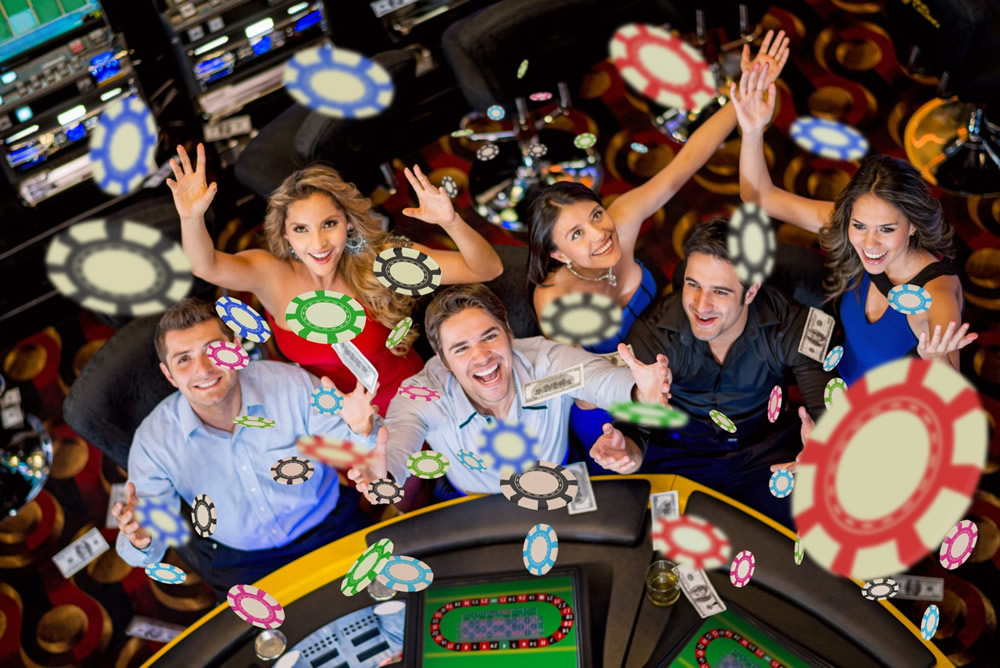
Furthermore, the social aspect plays a significant role. The shared experience of playing games, the possibility of communal wins, and the general buzz of activity can foster a sense of belonging and excitement. This social reinforcement can amplify the pleasure derived from gambling, making it more appealing and potentially leading to increased spending as individuals seek to maintain or enhance this positive social and emotional state.
The Power of Near Misses and Variable Rewards
One of the most potent psychological triggers in casinos is the concept of variable rewards, famously studied by B.F. Skinner. Slot machines, in particular, operate on a schedule of intermittent reinforcement, where wins are unpredictable. This unpredictability is far more compelling than a consistent reward system. The anticipation of the next potential win, even after multiple losses, keeps players engaged and hopeful, driving them to continue playing in the hope of hitting the jackpot. This creates a powerful loop of anticipation and potential reward.
Related to this is the psychological phenomenon of the “near miss.” When a player almost wins – for example, three symbols appearing on a slot machine are very close to aligning – it triggers a similar neurological response to an actual win. This encourages players to believe they are close to a victory and should continue playing, reinforcing the idea that their next spin could be the winning one. This perception of being “almost there” is a significant driver of continued play and, consequently, increased spending.
Cognitive Biases and Decision Making at the Casino
Several cognitive biases can significantly influence spending habits within a casino setting. The gambler’s fallacy, for instance, is the mistaken belief that if a particular event occurs more frequently than normal during the past, it is less likely to happen in the future, or vice versa. This can lead players to make irrational decisions, such as increasing their bets after a series of losses, believing a win is “due.” Conversely, the “hot hand” fallacy might lead someone to continue betting on a lucky streak, ignoring the underlying random nature of the games.
Another prevalent bias is the illusion of control. Players may believe they have a degree of influence over games that are, in reality, based entirely on chance. This can manifest in rituals, superstitions, or specific betting patterns that players believe will improve their odds. This sense of agency, however false, can contribute to a feeling of empowerment and encourage more aggressive wagering, as players feel they are actively participating in determining the outcome rather than passively experiencing random results.
The Role of Losses and the Drive to Recover
The emotional impact of losing money is a critical aspect of casino psychology. While wins provide elation, losses can trigger feelings of frustration, disappointment, and even desperation. This often leads to a counterproductive behaviour: chasing losses. Instead of cutting their losses and walking away, individuals may increase their bets or play for longer periods in an attempt to recoup the money they have lost. This behaviour is driven by a powerful psychological urge to restore a perceived equilibrium.
This drive to recover can override rational decision-making processes. The emotional distress associated with significant losses can impair judgment, making individuals more susceptible to the very psychological mechanisms that led to the losses in the first place. This creates a dangerous cycle where the attempt to recover funds can lead to further financial depletion, further increasing the emotional burden and the desire to “win it back.”
Responsible Play and Understanding Your Habits on Goldwingb.org.uk
Understanding the psychological factors at play is the first step towards responsible gambling. Websites like Goldwingb.org.uk, though primarily focused on motorcycle enthusiasts, can serve as a touchpoint for resources that promote healthy habits across various activities, including leisure pursuits that might involve risk. While Goldwingb.org.uk itself doesn’t offer casino services, the principles of mindful engagement and community support found in such clubs can be extrapolated to personal well-being, including how one approaches potentially habit-forming activities.
For those engaging with casino entertainment, being aware of the environmental influences, reward schedules, cognitive biases, and the emotional responses to wins and losses is paramount. Setting clear limits, both in terms of time and money, and adhering to them is crucial. If you find yourself consistently chasing losses or feeling overwhelmed by your gambling habits, seeking professional advice or utilizing available support services is a sign of strength and a proactive step towards maintaining control and well-being, ensuring that leisure activities remain enjoyable and do not lead to detrimental consequences.
