
For years, competitive gaming has been confined to professional tournaments and LAN events, with players gathering in cramped rooms and shouting at screens. But with the explosion of social media and online platforms, a quieter revolution has been underway: the rise of social esports. This new era of online competition is changing the way people play and connect with each other, in ways that are both exhilarating and profound.
Step 1: Building a Community
It all starts with a spark – a game, a genre, or a group of like-minded gamers who share a passion for competition. The next step is to create a platform where they can gather, share, and compete with each other. For many social esports communities, Discord and Reddit have become the go-to hubs, where users can connect, share tips, and participate in online tournaments. These platforms have given birth to a new kind of community – one that’s built on collaboration, mutual respect, and a shared love of gaming.
Why It Matters
Building a community is more than just creating a space for people to hang out – it’s about fostering a sense of belonging. When gamers feel like they’re part of something bigger than themselves, they’re more likely to engage, participate, and push themselves to be their best. By providing a sense of community, you create an environment that’s inclusive, supportive, and – above all – fun.
Step 2: Structuring Competition
Once you’ve built a community, the next step is to create a framework for competition. This can take many forms – online tournaments, leagues, ladders, or even simple challenges. The key is to create a system that’s fair, accessible, and engaging for all participants. By structuring competition in this way, you can create a sense of hierarchy and progression, where players can strive to improve and climb the ranks.
Why It Matters
Structuring competition is essential for any social esports community. It provides a clear direction and purpose, helping to focus efforts and energy on a common goal. By creating a structured competition framework, you can also establish clear rules, guidelines, and expectations – which helps to maintain order and prevent conflicts.
Step 3: Fostering Engagement
Fostering engagement is critical to the success of any social esports community. This involves creating opportunities for participants to interact with each other, share their experiences, and participate in discussions and activities that are relevant to the community. By fostering engagement in this way, you can encourage participants to become more invested in the community – which helps to build loyalty, retention, and growth.
Why It Matters
Fostering engagement is more than just getting people to show up – it’s about creating a positive and inclusive environment. When gamers feel like they’re part of a community that cares, they’re more likely to participate, collaborate, and push themselves to be their best. By encouraging engagement, you can create a more dynamic and supportive community – one that’s built on mutual respect and a shared love of gaming.
Step 4: Managing Growth
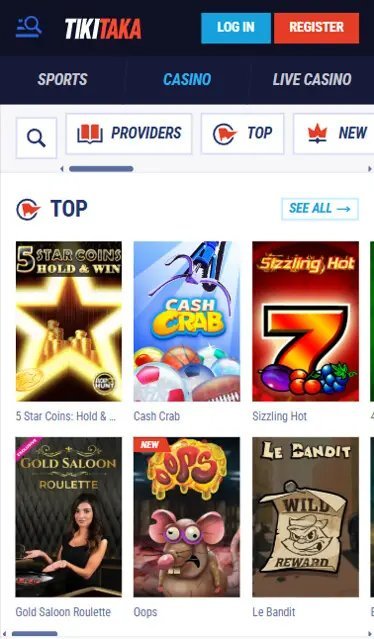
As a social esports community grows, it can become increasingly difficult to manage and maintain. This is where tools like Tiki Taka Play Casino come in – providing a comprehensive and secure online gaming environment that can handle large numbers of users. By leveraging these tools and technologies, you can create a more scalable and efficient community management system, which helps to ensure that your community continues to grow and thrive.
Step 5: Evaluating Success
Finally, evaluating success is critical to the long-term health and sustainability of a social esports community. This involves tracking key metrics, such as participation rates, engagement levels, and revenue growth, to determine the effectiveness of your community and identify areas for improvement. By evaluating success in this way, you can make data-driven decisions that help to optimize and refine your community – ensuring that it continues to meet the needs and expectations of its members.
Conclusion
The rise of social esports has created a new era of competitive gaming – one that’s driven by community, engagement, and collaboration. By building a strong foundation, structuring competition, fostering engagement, managing growth, and evaluating success, you can create a thriving social esports community that’s both enjoyable and rewarding for participants. Whether you’re a seasoned gamer or just starting out, the possibilities are endless – and the future of social esports has never looked brighter.
A helpful resource is Tiki Taka Play Casino.
